Tree Pattern Review
First Impressions of Tree Pattern
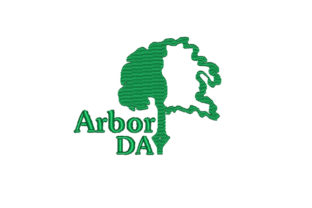
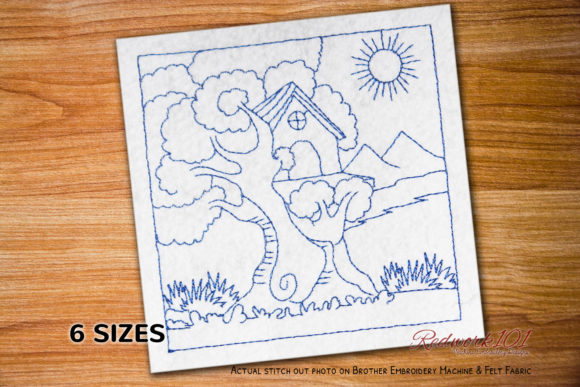
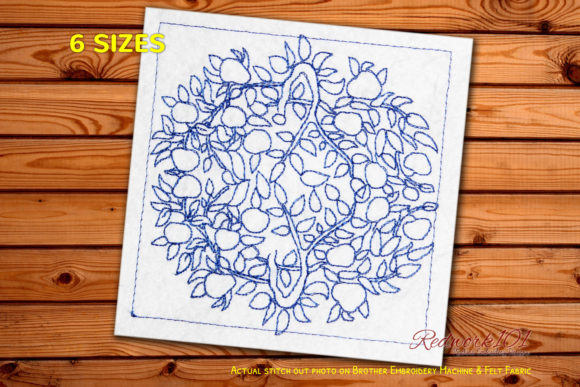
As a designer who’s worked with countless embroidery files, I always start by assessing the mood and visual personality of a design. Tree Pattern immediately conveys a sense of calm, growth, and natural beauty. The layout is clean and balanced, with a central tree that feels like the focal point of the composition. The shape and theme suggest a connection to nature, making it ideal for projects that aim to evoke a forest or outdoor feel.
The detail level is moderate, with enough definition to stand out on fabric without becoming overwhelming. It’s not overly intricate, which makes it versatile for a range of applications. The design’s simplicity also means it can be adapted easily for different sizes and formats, whether you’re working on a small patch or a larger tote bag.
Real-Life Use Cases for Tree Pattern
Imagine preparing a custom embroidered tote bag for a client who wants something meaningful and personal. Tree Pattern would work well as a tote bag design, especially if the client is looking for something that represents growth, strength, or a connection to nature. It could also be used for sweatshirt embroidery, adding a subtle yet elegant touch to casual wear.
For baby items, such as onesies or blankets, Tree Pattern offers a gentle and timeless look. It’s not too bold, which is important for children’s clothing. The design also has potential for holiday embroidery, like a personalized gift for a wedding or a family event. Its versatility allows it to fit into various themes without feeling out of place.
In a craft business or Etsy shop, Tree Pattern could serve as a digital product preview or a printable mockup. It’s suitable for small shop products, like aprons or kitchen towels, where a simple yet appealing design can make a big difference in customer appeal.
Where Tree Pattern Shines
Tree Pattern performs well in most standard embroidery situations. For custom apparel, it adds a professional touch without being too complex. On t-shirts or sweatshirts, the design maintains clarity and visual appeal, especially when using appropriate thread colors and stitch density.
When used as an embroidered patch, Tree Pattern stands out with its clean lines and structured layout. It works well for caps and hats, where the design needs to be visible and durable. The design also holds up on pillow covers and tea towels, where a subtle but consistent motif is desired.
For handmade products, Tree Pattern enhances the overall presentation. It contributes to brand consistency, especially for businesses focused on nature-inspired or eco-friendly themes. As a personalized gift, it offers a thoughtful and meaningful element that customers can appreciate.
Areas to Be Cautious With
While Tree Pattern is generally reliable, there are some scenarios where it may not perform as well. In small hoop sizes, the design might lose some of its detail, making it less effective. If you’re working with textured fabrics or thin materials, the stitches may not lay flat as intended.
On stretchy or dark fabrics, the design might not show up as clearly. This is especially true if the thread color doesn’t contrast well with the background. For layered garments or curved surfaces like caps, the design might require adjustments to ensure it sits properly and remains visible.
Detailed corners and tiny lettering can be problematic if the design isn’t optimized for those elements. Dense stitch areas might cause the fabric to pucker, so it’s important to test the design on scrap fabric before committing to a project.
Impact on Visual Appeal and Customer Perception
Tree Pattern contributes positively to the visual appeal of any project it’s used on. Its clean lines and natural theme help create a sense of professionalism and craftsmanship. When used on finished products, it enhances the overall value, making the item more desirable to buyers.
Customers often respond well to designs that feel authentic and meaningful. Tree Pattern fits this bill, offering a design that can be both decorative and symbolic. It also supports handmade presentation, helping to build trust between the creator and the buyer.
For commercial embroidery projects, the design’s adaptability ensures it can be used across multiple products without losing its identity. Whether it’s for a boutique brand or a digital product seller, Tree Pattern maintains a level of quality that aligns with professional standards.
Practical Designer Notes
Before using Tree Pattern in any project, I recommend testing it on scrap fabric to see how it looks in real conditions. Check the thread color contrast against the fabric to ensure visibility. Review the stitch density to avoid issues with puckering or distortion.
Confirm the hoop size required for the design, as this can affect how the embroidery looks on different materials. Inspect small details to ensure they’re clear and well-defined. Test the design in black and white mockups to see how it translates on various backgrounds.
Compare the design on light and dark fabric to understand how it appears in different settings. Use proper stabilizer to keep the fabric from shifting during stitching. Make sure the design works for both personal and commercial projects, and always confirm licensing before selling finished items or digital products.
Final Thoughts on Tree Pattern
Tree Pattern is a solid choice for designers looking for a versatile and meaningful embroidery design. It offers a balance of simplicity and visual appeal, making it suitable for a wide range of projects. Whether you’re an Etsy seller, a small shop owner, or a craft business operator, this design can add value to your offerings.
With careful consideration and proper testing, Tree Pattern can become a staple in your collection of machine embroidery designs. Its natural theme and clean layout make it a great fit for many applications, from custom apparel to personalized gifts. Overall, it’s a design that delivers on both aesthetics and functionality.