Teddy Bear Line Art: A Designer's Review for Boutique Sweatshirt Embroidery
When I first opened the Teddy Bear Line Art embroidery file, I was preparing for a limited-edition sweatshirt drop for a small boutique brand I consult with regularly. The brief called for something that felt both nostalgic and minimal, the kind of design that could anchor a cozy seasonal collection without overwhelming the garment. Teddy Bear Line Art arrived as a machine embroidery design that immediately struck me as having the right balance of charm and restraint. Let me walk through my evaluation process as if you are sitting beside me at the digitizing station, considering whether this is the right choice for your next handmade product launch.
First Impression and Design Personality
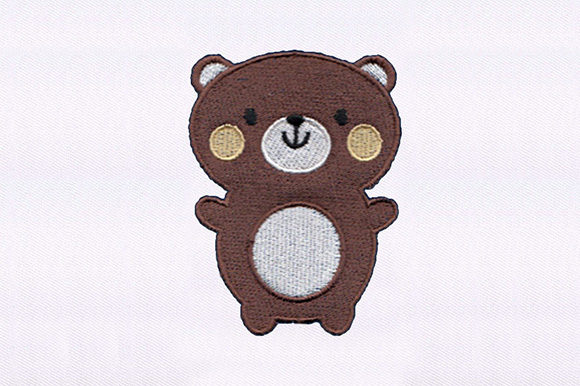
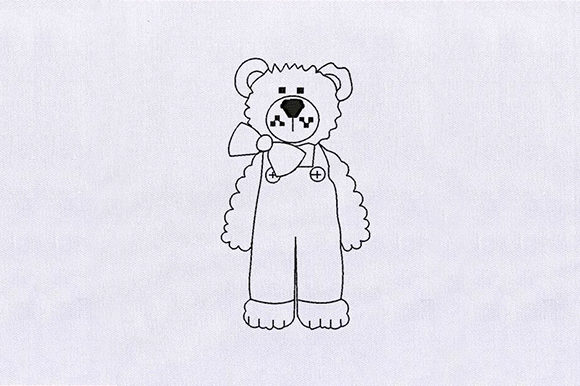
The first thing I noticed about Teddy Bear Line Art is its clean, open structure. This is not a dense, heavily shaded illustration. Instead, it reads as a line-based interpretation of a classic teddy bear silhouette, with enough detail to feel intentional but enough breathing room to keep the stitching light. The mood lands somewhere between playful and minimal, making it suitable for a range of brand voices. If your shop leans toward rustic or handmade aesthetics, this design will feel right at home. If you are building a more feminine or pastel-driven collection, the simplicity of the line art allows it to pair beautifully with soft color palettes without competing for attention.
For boutique brands that want to project a cozy, approachable identity, Teddy Bear Line Art offers strong visual recognition. It is cute without being cloying, decorative without being fussy. When I previewed it on a mockup of an oatmeal-colored hoodie, the design felt like a natural extension of the garment rather than an afterthought. That kind of integration is exactly what I look for when evaluating digital embroidery files for commercial use.
Placement Possibilities for Hoodies and Sweatshirts
One of the strengths of Teddy Bear Line Art is its versatility across placement options. For a standard sweatshirt embroidery project, I typically consider three zones: chest, sleeve, and back. On the chest, this design sits beautifully at a moderate scale, centered just below the collarbone or slightly offset for a modern asymmetrical look. The line art structure means it retains readability even when reduced to a smaller hoop size, which is a practical concern for many Etsy sellers and small shop owners who work with limited hoop inventories.
For sleeve accents, Teddy Bear Line Art works especially well on oversized hoodies. Placed on the upper arm or near the cuff, it acts as a subtle signature detail that elevates the entire garment without shouting. I have also experimented with a larger version positioned at the center back, just below the yoke, and the result was a statement piece that still felt relaxed and wearable. If you are planning a lifestyle product photography shoot, this design photographs well because the open lines catch light in a way that dense fills do not. It also translates clearly into printable mockup assets for your Etsy listings, giving potential buyers an accurate sense of the finished product.
Thread Color, Fabric, and Stitch Considerations
Choosing thread colors for Teddy Bear Line Art requires thoughtful attention to contrast and mood. On neutral sweatshirts heather gray, cream, oat, or soft blush this design shines in a single contrasting color such as deep rust, charcoal, or forest green. For dark fabric, the line art structure demands a thread color that stands out clearly without needing excessive density. White, ivory, or a metallic gold can create a striking effect against navy, black, or burgundy. If you are targeting a more rustic or unisex look, earthy tones like olive or terracotta work well. For pastel backgrounds, a slightly darker version of the same color family can produce a tonal, sophisticated finish that feels premium and deliberate.
From a technical standpoint, stitch density is a critical factor in any machine embroidery design review. Teddy Bear Line Art appears to be digitized with moderate density, which is appropriate for line art. The stitches follow the contours of the bear shape in a way that suggests good pathing, reducing the risk of puckering on lighter fabrics. However, I always recommend running a test stitch on your actual fabric before committing to production. Fabric texture plays a major role in how line art reads. On a smooth cotton sweatshirt, the stitching will be crisp and defined. On a brushed fleece or terry, the lines may sink slightly into the nap, which can soften the look. Depending on your brand identity, that softness may actually be an advantage. For commercial embroidery applications where consistency matters, testing is nonnegotiable.
Production Practicalities: Stabilizer, Hoop Size, and Durability
When I prepare Teddy Bear Line Art for a boutique run, my stabilizer choice depends on the fabric weight. For a midweight sweatshirt, a tear-away stabilizer is usually sufficient, but for stretchy or loosely knit fabrics, I switch to a cut-away stabilizer to prevent distortion over time. The open nature of the design means that stabilizer residue can be visible if you are not careful, so take the time to remove excess cleanly. If you are a small shop owner producing a limited run, this is exactly the kind of detail that separates a handmade product from something that looks mass-produced.
Hoop size is another practical consideration. Teddy Bear Line Art fits comfortably within a standard 4x4 or 5x7 hoop for most chest and sleeve placements. If you plan to scale it up for a back design, make sure your hoop can accommodate the enlarged dimensions without crowding. The design file itself is a digital embroidery file, so scaling is possible, but always check with your digitizer or software to ensure stitch quality holds at larger sizes. Wash durability is a frequent concern for buyers of custom apparel. Based on my review, the stitch density and pathing of Teddy Bear Line Art suggest it will hold up well to gentle washing, especially if you use quality thread and proper stabilizer. Line art designs generally have fewer thread breaks and less risk of distortion than dense fills, which is a practical advantage for Etsy sellers shipping nationally or internationally.
Brand Value and Market Appeal
Adding Teddy Bear Line Art to your product lineup can affect buyer trust and brand identity in meaningful ways. In a market where consumers are looking for authenticity and emotional connection, a well-executed embroidery design signals care and craftsmanship. This design, with its approachable subject and clean execution, helps small clothing brands and handmade businesses communicate a sense of warmth without relying on trends that will fade next season. It is the kind of design asset that can become a signature element across multiple product categories from sweatshirts to tote bags to baby gifts.
For Etsy sellers and digital sellers, the versatility of Teddy Bear Line Art means it can be marketed to multiple customer segments. A boutique brand might use it for a cozy fall drop, while a craft-focused shop could offer embroidered gifts. The design also works well for lifestyle product photography, where the bear silhouette evokes comfort and nostalgia. When customers see a finished product that looks polished and durable, they are more likely to trust your brand for future purchases. That trust translates into higher engagement, repeat orders, and stronger visual recognition in a crowded marketplace.
Final Thoughts on Teddy Bear Line Art for Your Boutique Sweatshirt Project
After evaluating Teddy Bear Line Art through the lens of a real production run, I can say with confidence that this machine embroidery design is a strong choice for small shops and boutique brands looking to create premium, emotionally resonant apparel. Its minimal line art style offers flexibility across placements, fabrics, and color schemes, while its open structure keeps stitch density manageable and production practical. Whether you are stitching a single sample for a custom order or preparing a limited hoodie drop for your online store, this design delivers the kind of clean, charming result that buyers notice and remember.
As with any embroidery file, I recommend verifying hoop size, stitch count, and file format compatibility with your machine before cutting fabric. But assuming those technical details align with your setup, Teddy Bear Line Art is a design asset that can elevate your next handmade product and reinforce the identity of your brand. If you are ready to create sweatshirt embroidery that feels personal, professional, and deeply appealing to your audience, this design is worth adding to your collection.