Dagger Embroidery Design Review
The Dagger embroidery design offers a striking, minimalist aesthetic that could elevate a range of apparel projects. As an experienced embroidery designer, I’ve evaluated this design for its potential in a boutique sweatshirt collection, considering how it translates across different fabrics, sizes, and styles. This review covers its visual appeal, technical performance, and practical applications for small clothing brands and handmade businesses.
First Impressions: Mood and Detail Level
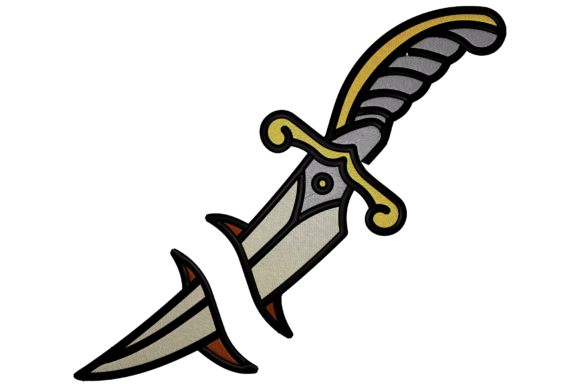
From the first glance, Dagger feels modern and intentional. The design’s simplicity suggests a clean, bold statement—ideal for a premium sweatshirt line. Its layout is balanced, with a central motif that commands attention without overwhelming the space. The detail level is sharp, making it suitable for both close-up photography and casual wear. The stitching personality leans toward a subtle yet confident presence, which works well on neutral or dark fabrics.
As a machine embroidery design, Dagger maintains clarity even at smaller sizes, which is essential for sleeve accents or back designs on oversized hoodies. The four thread colors add depth without being overly complex, ensuring versatility across different fabric textures.
Visual Appeal Across Fabric Types
On a neutral sweatshirt, Dagger stands out as a sophisticated accent. On dark fabric, the design pops with contrast, making it ideal for seasonal apparel like cozy winter hoodies. For pastel-colored sweaters, the design remains elegant, avoiding any garishness. Whether used as a chest emblem, sleeve trim, or back graphic, Dagger adapts well to various placements.
Its minimalist nature also makes it a great fit for lifestyle product photography. A printable mockup would showcase the design effectively, helping Etsy sellers and small shop product creators present their custom apparel with professionalism.
Practical Considerations for Sweatshirt Embroidery
When considering sweatshirt embroidery, the choice of stabilizer and hoop size becomes critical. Dagger’s design benefits from a medium-sized hoop, allowing for smooth stitching without excessive re-hooping. The stitch density is moderate, ensuring durability without compromising fabric breathability. This makes it a solid option for commercial embroidery, especially for small-scale production runs.
Thread color contrast is important for visibility, particularly on darker fabrics. The four-color palette provides enough variation to maintain visual interest while remaining cohesive. For pastel or light-colored garments, the design still holds up, though careful selection of thread shades is recommended to avoid muddiness.
Stitching and Fabric Compatibility
Fabric thickness plays a role in how Dagger appears as a finished product. On thicker materials, the design may sit slightly higher, which can be desirable for a 3D effect. However, on lighter-weight sweatshirts, a proper stabilizer will prevent puckering and ensure a smooth finish. The design’s hand-digitized nature suggests attention to detail, which is crucial for maintaining quality in custom apparel.
Small-size readability is another key factor. Dagger retains its form at smaller scales, making it suitable for intricate details on sleeves or collars. This versatility expands its use beyond just main body graphics, offering more creative freedom for boutique brands.
Design Placement and Brand Identity
For a limited sweatshirt drop, Dagger could serve as a signature element that reinforces brand identity. Its bold yet minimal style aligns with current trends in lifestyle fashion, appealing to customers who value both aesthetics and craftsmanship. As a hoodie design, it adds a unique touch that sets the product apart from generic options.
When used as a back design, Dagger creates a focal point that enhances the overall look of the garment. For sleeve accents, it adds subtle sophistication, perfect for a casual yet polished vibe. The design’s adaptability makes it a valuable asset for handmade product listings on Etsy or other digital marketplaces.
Impact on Product Value and Customer Engagement
High-quality embroidery files like Dagger contribute to the perceived value of a product. Customers are more likely to trust and engage with a handmade product that features a professionally digitized design. This is especially true for small shop product creators aiming to build a loyal customer base.
By incorporating Dagger into a boutique brand’s offerings, designers can enhance visual recognition and create a cohesive aesthetic across their product line. The design’s versatility also supports creative entrepreneurs looking to experiment with different styles and fabric combinations.
Final Thoughts: Is Dagger Right for Your Project?
Dagger is a strong contender for small clothing brands and embroidery shops seeking a premium, versatile design. Its clean lines and adaptable placement make it suitable for a wide range of applications, from casual wear to high-end custom apparel. However, as with any embroidery file, it’s important to verify the exact hoop size, stitch count, and license terms before production.
For those looking to add a touch of sophistication to their sweatshirt collection, Dagger offers a compelling blend of style and functionality. Whether used as a standalone feature or part of a larger design set, it has the potential to elevate a brand’s image and attract discerning customers.
As a professional embroidery designer, I recommend testing the design on sample fabrics before full-scale production. This ensures that the final product meets expectations in terms of appearance, durability, and overall quality. With the right approach, Dagger can become a standout element in any boutique brand’s lineup.