Anchor Chain Design Review
First Impressions of Anchor Chain Design
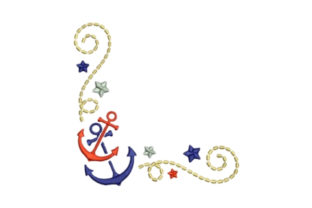
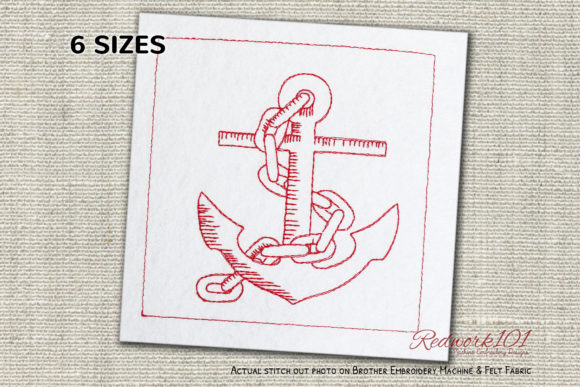
The Anchor Chain Design immediately evokes a sense of coastal charm and nautical flair. Its clean lines and structured form suggest a professional yet approachable aesthetic, making it ideal for small business merch, branded patches, and custom apparel. The design’s simplicity allows for versatility across various applications, from beach-themed boutiques to craft businesses looking for a unique brand identity.
With the Box Stitch being optional, the design offers flexibility in how it is rendered. This feature can be particularly useful when adjusting the design for different fabric types or embroidery styles. The outer Box color can vary, which adds another layer of customization—though users should be mindful of how this affects visual consistency with their overall branding.
Real Business Use of Anchor Chain Design
For small business owners, the Anchor Chain Design is a strong candidate for embroidered patches, staff uniforms, aprons, caps, and tote bags. Its bold shape ensures visibility and recognition, making it an effective tool for building brand identity. Whether used as a chest logo accent or a sleeve detail, the design maintains its integrity without overwhelming the garment.
As a machine embroidery design, the Anchor Chain works well on both light and dark fabrics, provided the thread colors are carefully selected. For apron embroidery or cap embroidery, the design’s structure prevents distortion, even at smaller sizes. However, it’s important to test the embroidery file at reduced scales to ensure clarity and legibility.
In tote bag design or custom apparel, the Anchor Chain adds a touch of sophistication that aligns with the beach theme. It can also serve as a subtle product packaging accent, reinforcing brand presence in customer interactions. For manual embroidery or handmade product creators, the design’s adaptability makes it a valuable addition to design assets.
Where to Use Anchor Chain Design with Caution
While the Anchor Chain Design is versatile, there are scenarios where caution is advised. On small patch sizes, intricate details may become lost, so simplification might be necessary. When applied to cap fronts or curved surfaces, the design’s geometry could lead to distortion if not properly adjusted.
High stitch density or detailed outlines may cause issues on textured fabric or dark uniforms. In such cases, using a stabilizer and adjusting the hoop size can help maintain quality. Additionally, if the design includes tiny lettering or complex patterns, it may not be suitable for frequent washing or high-traffic environments.
Impact on Brand Identity and Customer Trust
The Anchor Chain Design contributes positively to brand identity by offering a consistent and recognizable symbol. Its clean, structured look reinforces professionalism, which is essential for small businesses aiming to build trust and credibility. When used across small business merch and customer gifts, it creates a cohesive visual language that strengthens customer recognition.
As a commercial embroidery project, the design enhances the value of finished products, especially when paired with high-quality thread colors and proper hoop size planning. It also supports visual consistency across all branded items, whether they’re printable mockups or actual embroidered patches.
For handmade brands or Etsy sellers, the design provides a polished option that balances creativity with practicality. Its ability to blend into various aesthetics—whether rustic, modern, or classic—makes it a flexible choice for craft business assets and digital embroidery files.
Practical Embroidery Designer Notes
Before finalizing the use of Anchor Chain Design, it’s wise to test it in black and white first. This helps assess how the design translates on different fabrics and under varying lighting conditions. Checking the design at a small patch size ensures it remains legible and visually appealing when scaled down.
Reviewing thread color contrast is crucial, especially when working with dark uniforms or textured materials. Ensuring proper spacing between elements avoids overcrowding, while confirming the hoop size prevents unnecessary adjustments during production.
Testing the design on real fabric and using the appropriate stabilizer can significantly improve the finished product quality. Creating a mockup for client approval before mass production is a smart step that minimizes errors and ensures satisfaction.
Comparing the Anchor Chain Design alongside other design assets helps determine its place within the broader brand strategy. Finally, always confirm commercial licensing before using the design for business purposes to avoid legal complications.